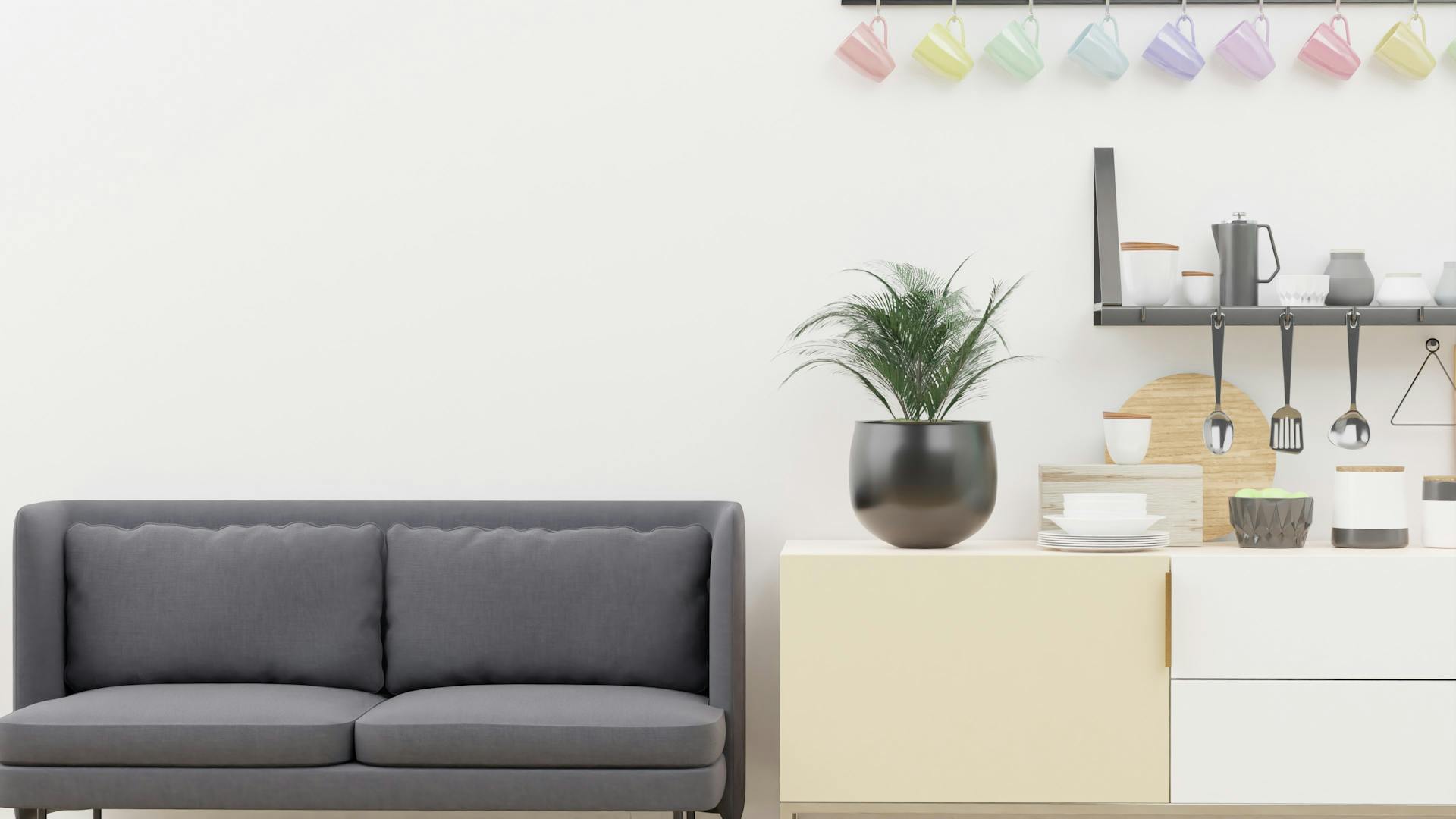
Refreshing your home doesn’t have to mean spending a fortune. Many homeowners believe that updating interiors requires significant financial investment, but with careful planning and creative solutions, it is possible to achieve a fresh, modern look without overspending. According to Dr. Laura Thompson, a European interior design consultant, “Small changes can have a major impact on the atmosphere of a home, and smart planning ensures cost-effective results.” In this article, we will explore practical ways to rejuvenate your home, offering tips, expert opinions, and proven strategies to create a welcoming environment.
One of the easiest ways to refresh your interior is by repainting the walls. Wall color has a significant effect on mood and perception of space. For example, neutral shades such as soft sand, clay, or warm gray are currently trending, providing a calm and harmonious feel. Textured finishes, including clay plaster or subtle patterns, add depth and sophistication. Interior designer Emily Wright from London notes, “Changing the wall color can completely transform the mood of a room, making it feel brighter and more welcoming, without major renovations.” Bold monochromatic schemes can also modernize a space and highlight existing furnishings.
Upgrade key furniture pieces
Replacing or updating essential furniture, such as sofas and armchairs, can make a substantial difference. A sofa in a new color or fabric can redefine the character of a living room, while patterned fabrics in cottages or seasonal homes can create cozy, inviting environments. For example, floral designs often evoke a Provencal style, while checked patterns can give a country charm. According to Dr. Michael Green, an American furniture design expert, “Even small updates to furniture pieces can dramatically improve both style and functionality, especially when combined with complementary decor elements.”
Enhance home textiles
Textiles are an affordable way to refresh your home’s aesthetic. Natural fabrics such as linen, cotton, or canvas are trending, while shiny or velvet materials are less popular. Adding cushions in different sizes, colors, and textures can introduce visual depth and warmth to any space. Mixing materials, such as pairing a linen sofa with leather or woven cushions, adds interest and prevents interiors from feeling monotonous. Interior stylist Sophie Martin emphasizes, “Combining textures and layering fabrics allows homeowners to express personality and style without significant financial investment.”
Improve lighting and create cozy corners
Lighting plays a crucial role in interior design. Adjusting the placement of lamps or changing bulb types can dramatically affect the atmosphere. Experts recommend adding multiple lighting sources to highlight key areas. For instance, a table lamp on a shelf emphasizes decor elements, while a floor lamp near a seating area creates a relaxing corner. Studies show that layered lighting improves comfort and can increase perceived space by up to 20 percent. Architect Anna Lopez notes, “Even one additional light source strategically placed can transform a room from ordinary to exceptional.”
Introduce statement pieces
Unique furniture, like a bold armchair or accent table, can act as a focal point without requiring a full interior overhaul. Statement pieces don’t need to match existing furniture and can add color, personality, or contrast to a room. For example, a bright armchair in a neutral living room creates visual interest and becomes a conversation piece. Practical tips include using contrasting shapes and colors to complement existing decor.
Use mirrors effectively
Mirrors are multifunctional tools that enhance light and perception of space. Placing mirrors opposite windows reflects natural light and makes rooms feel larger. Modern mirrors can serve as decorative art, not just functional items. According to Dr. Caroline Wilson, a European interior psychology researcher, “Strategically placed mirrors can improve mood, enhance natural light, and visually expand the living space without additional costs.”
Add greenery for life and energy
Plants provide an inexpensive way to revitalize any space. A common mistake is placing a single plant in a corner, which can appear sparse. Grouping 2–4 plants of varying heights in complementary pots creates a balanced, lively arrangement. For optimal effect, position plants near natural light sources or accent lighting. Research indicates that indoor plants can reduce stress levels by up to 30 percent and improve air quality, contributing to both aesthetics and health. Botanist Dr. Peter Schaefer explains, “Plants transform spaces and offer psychological benefits that enhance wellbeing and comfort.”
Functional decor with coffee tables
Coffee tables are often underestimated in interior design but offer both utility and visual impact. Choosing a table with a contrasting color or design can highlight other furnishings and create a focal point. Modern multifunctional tables, such as adjustable or expandable options, add versatility without extra cost. Practical advice includes evaluating both aesthetic and functional needs to maximize the table’s effectiveness.
Smart kitchen updates
Updating a kitchen doesn’t require a complete renovation. Simple strategies, like reorganizing storage, replacing cabinet handles, or selecting smooth surfaces, can refresh the space efficiently. Efficient planning reduces unnecessary expenses while maintaining functionality. According to Associate Professor Mark Davis from the US, “A well-organized kitchen not only looks clean and modern but also improves efficiency and reduces clutter, saving time and energy.”
Rearrange furniture for impact
Sometimes, refreshing a room requires no new purchases at all. Repositioning furniture can make a room appear more spacious and balanced. For example, moving a sofa 20–30 cm from the wall creates a sense of openness and lightness. Numbered steps to effectively rearrange furniture include: 1. evaluate room layout, 2. identify key focal points, 3. experiment with floating furniture placement, 4. adjust for traffic flow and comfort. Interior designer Laura Chen emphasizes, “Rearranging existing pieces is a zero-cost method to completely transform a space.”
Practical tips for home refresh
Here are additional actionable tips to enhance your home affordably:
Invest in small accent pieces to change room dynamics.
Rotate textiles seasonally to refresh the atmosphere.
Use lighting strategically to highlight artwork or plants.
Mix and match materials to prevent monotonous decor.
Focus on space optimization before buying new furniture.
Consider multifunctional furniture to maximize utility and save space.
These practical strategies combine aesthetics with functionality and are endorsed by multiple European and American interior experts.
Innovations and modern tools
Modern interior design incorporates technology to enhance space planning and efficiency. Digital tools like room planning software, augmented reality apps, and online interior simulations allow homeowners to visualize updates before purchase. According to research by the American Home Design Association, using digital tools increases renovation efficiency by 25 percent and reduces costly errors. Interior technologist Rachel Miller notes, “Technology allows homeowners to experiment risk-free, ensuring both aesthetic appeal and budget control.”
Holistic approach to home design
Creating a home that is both stylish and comfortable requires a holistic approach. Lifestyle, psychology, and nutrition all play roles in shaping an environment. A balanced space integrates natural light, greenery, functional furniture, and harmonious color palettes. Professor Samuel Rivers, a design psychologist, explains, “A holistic approach considers the human experience. Homes should be visually pleasing, psychologically comforting, and functionally practical.”
Summary
Refreshing your home without overspending is entirely possible with thoughtful planning and creativity. Key strategies include repainting walls, updating furniture, enhancing textiles, optimizing lighting, and using mirrors and plants strategically. Incorporating statement pieces, rearranging furniture, and applying modern digital tools further elevate the home environment. By following these practical tips and expert advice, homeowners can create spaces that are both aesthetically appealing and functional. Ultimately, investing time and thought into interior updates enhances quality of life and maximizes comfort, demonstrating that even small changes can yield significant results.